April Dinner & Interview with Shachee Doshi

April's newsletter complete with an interview from one of our community members
Hello My Fellow Diners,
While the headlines are dominated by Anthropic's Mythos, I've been ruminating on the following topics - which I will discuss in-depth during this month's dinner:
- Alex Bores vs. Jack Schlossberg: Earlier this week candidates for the NY-12 seat, shared their stance on how to build better AI infrastructure and safety in the US. Hosted at this event.
- Proof of Humanity & AI: Sam Sabin, a reporter at Axios and former colleague, just published an article about Worldcoin, a company co-owned by Sam Altman focused on Proof of Humanity
Dinner @ Sally - April 29th
Our April dinner will be hosted on Wednesday April 29th, to accommodate those who cannot make it on Fridays. We have a few spots available for this month's dinner (register below).
April Registration


If there are any changes to the RSVP, please let us know by sending over an email to iodinner@proton.me or a text if you have my number.
Philly Tech Week & Tech Policy Fellowships
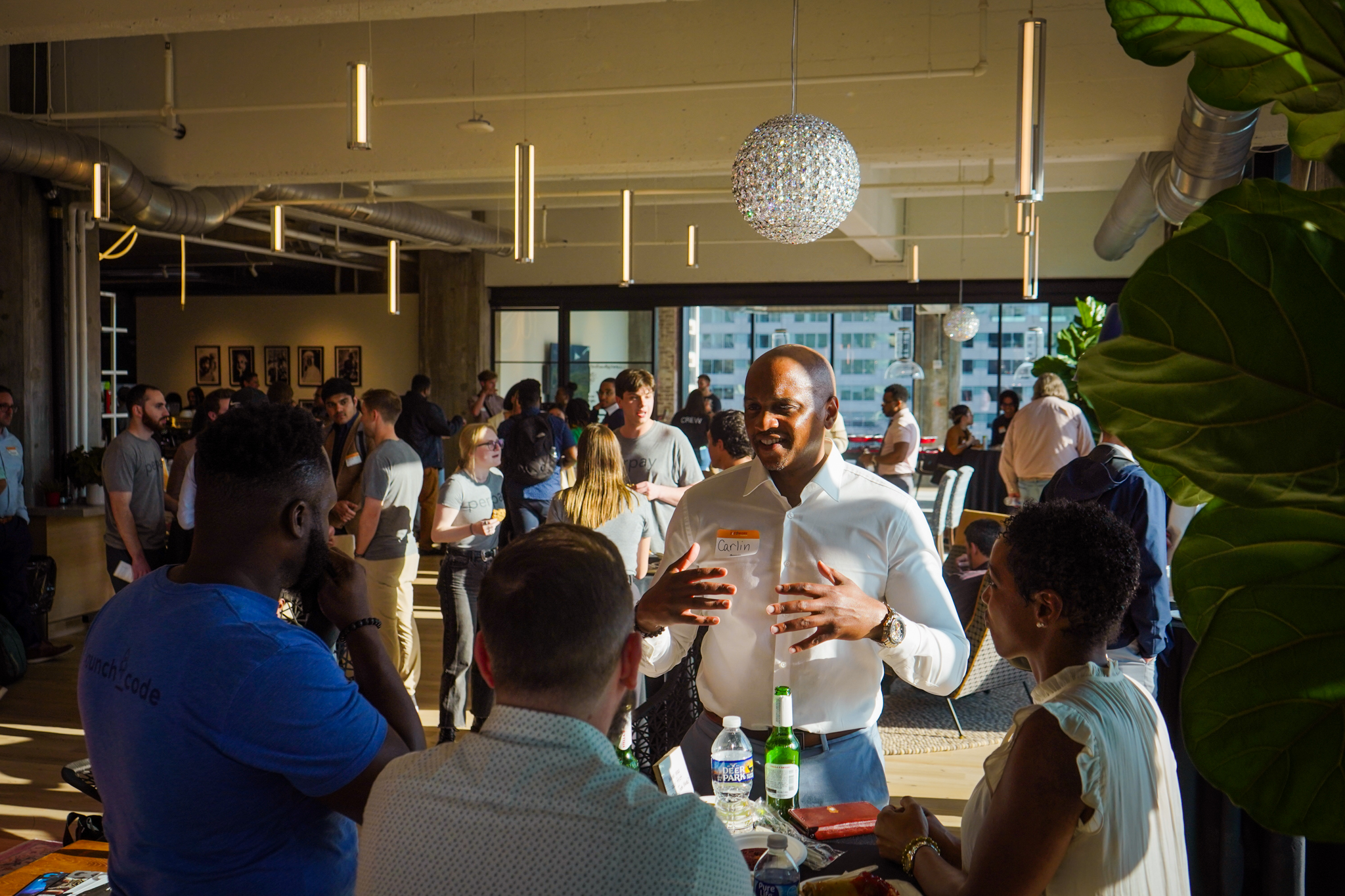
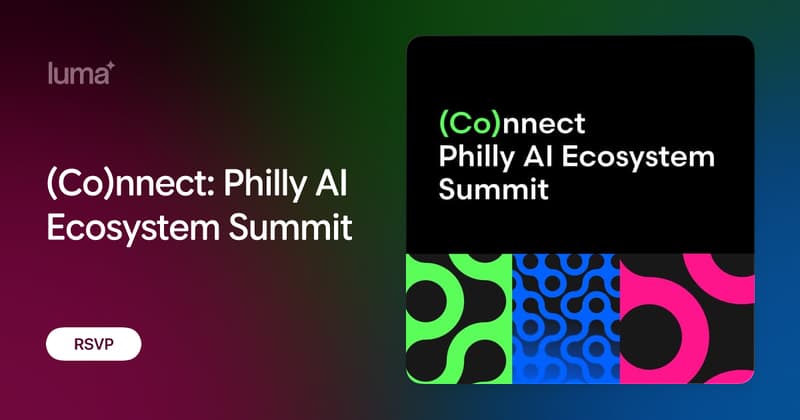
Philly tech week is around the corner, I'll be going to a few events throughout the week, including the Philly AI Ecosystem Summit held at the Pennovation Center. Shoutout if you plan on attending any of Philly Tech Week's events.

Tech Policy Fellowships
Fellowship season for summer/fall positions are upon us. These 3 came across my desk. Feel free to reach out if you'd like to discuss any of these.
Disclosure: I currently serve as a mentor for Black in AI Safety & Ethics and have worked for the Kapor Foundation.
- Kapor Foundation | Link for more information | Part-Time | $ 35k for selected fellows
- Federation of American Scientists (FAS) | Link for more information | Full-Time| $154k for selected fellow
- Black in AI Safety & Ethics (BASE) | Link for more information | Part-Time | $?
Community Interview with Shachee Doshi
This interview was edited for clarity and punctation
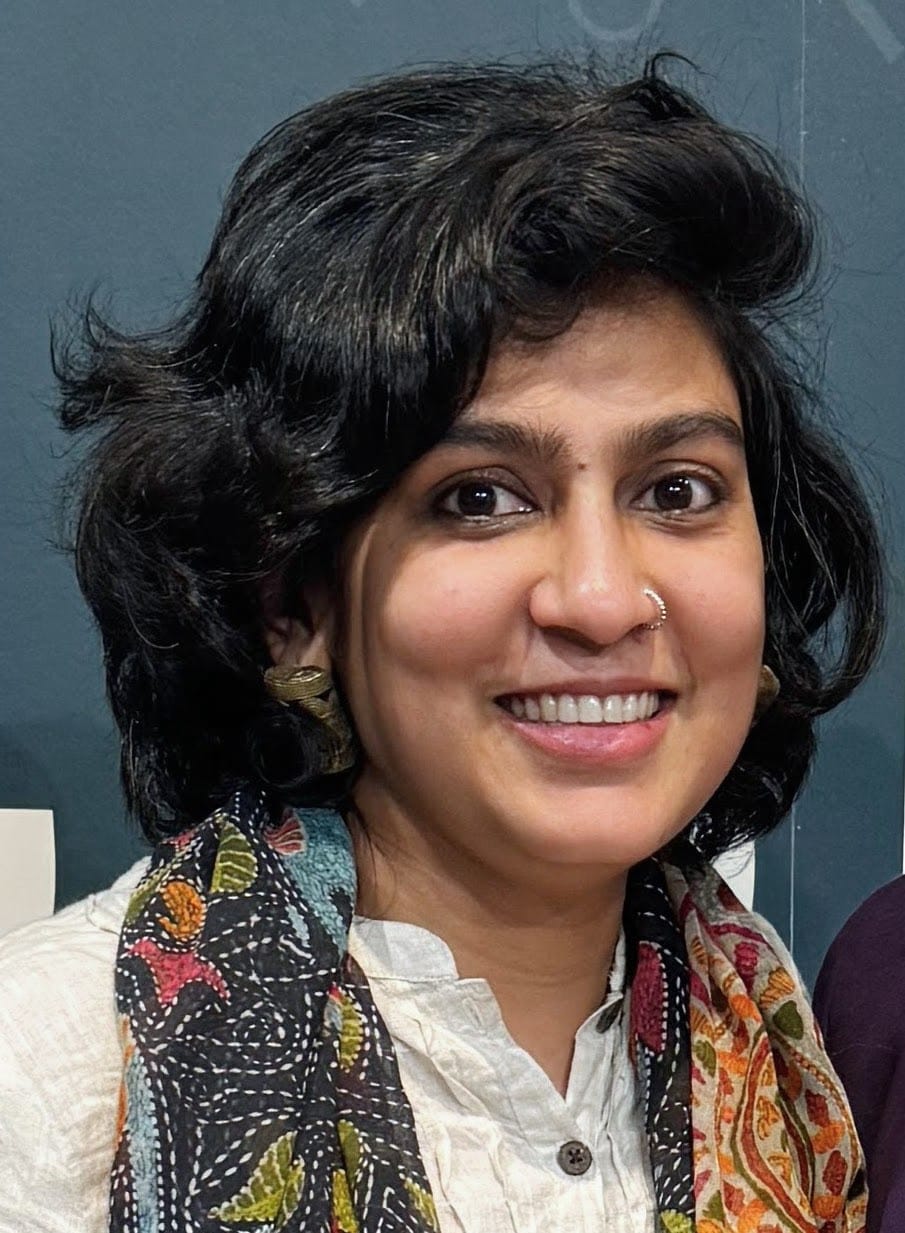
Gabrielle: I would love to learn a bit about yourself, how you got into the tech policy field, and what brought you to Philly.
Shachee: My name is Shachee Doshi, I consider myself a reformed scientist, I have always had a scientific bend, since I can remember. I grew up in India in a town called Calcutta one of the last places in India that still had a communist state level government. People cared a lot about social justice and equity - there was a lot of intellectual leaning, protests, and student movements.
We had some of India's greatest literary and scientific thinkers and. I always had this leaning to question [things] and that pushed me towards the sciences. I came to the US for my undergrad my PhD in neuroscience, and then found myself not the path to being a bench scientist.
Rather, I found myself turning towards the policy world, and applied to the AAAS (American Association for the Advancement of Science) Science and Technology Policy Fellowship that brings scientists into the federal government. Donald Trump had just been elected and I was interested in how truths can be warped and information can look so different to different people, and whether scientists can. I ended up matching at USAID, which was surprising to me because I did At USAID, the team I joined was about new and emerging technologies and how they impact international development.
And I was like, Whoa, that sounds really cool and interesting. And I think I kind of saw my worlds colliding a little bit - it was genuinely interesting to see AI, digital ID systems, and how digital rights impact the use of technology.
Gabrielle: Looking back at the start of your career in tech policy, was your decision to do the fellowship a catalyst for getting into the space?
Shachee: Absolutely yes. I don't think I would have honestly thought much about technology before that. I just thought about the brain and how it worked, but I didn't think about technology and its impact on people until I started the fellowship. It was a very real way to get into tech policy because in international development, we're dealing with people in much poorer countries, who need access to food, shelter, medicine, education; so technology is not the first thing that comes to mind.
Gabrielle: Thinking about your work, what is one challenge or one misconception that people outside of your sector misunderstand about the intersection of international development and tech?
Shachee: I think the misconception stems from why we even need to talk about technology in international development. From an outsider's perspective, my role is to make sure people have access to the basic necessities, not AI. I think, to me, it comes from a basic misunderstanding of what the goal of international development is. When I talk to people in the Global South, it's totally different, because it's impacting their lives. It's funny how, like when we bring it back to our own lives, it makes so much sense, but to imagine it in someone else's life can feel very difficult, especially if they are in living in a context that we're unfamiliar with.
Gabrielle: You mentioned trends I noticed in the field back in 2019, the question of "why should we be talking about emerging technology within the context of development?" What is one project that you were particularly proud of that captured the throughline of your work?
Shachee: We did this partnership with the Mozilla Foundation, where the idea was to learn from work they had already been doing here in the United States to foster responsibility as a core part and see if a similar program could work in the international development context. We did it through a challenge model, called the Responsible Computing Challenge, where professors from around the world (Kenya, India, South Africa) submitted ideas for how they would shift the way that they teach computer science, AI, or robotics to be more interdisciplinary. The theory of change was that technologists are already a disproportionate amount power over all of our lives so if we can influence how they are trained and we can influence how technology. Almost everything we do is dictated by technology. The idea was to take a, "do no harm" mentality to computing. We funded about 24 different professors across the three countries to do this. After the first year, the students really loved it, they never thought about responsibility and power earlier. The downside is we're only addressing the supply side of the equation here, and we heard that too. Ultimately, students would say: "if I have a job that pays me well and they tell me to build this [non-inclusive] thing, who am I to say? It doesn't meet the ["do no harm"] principles.
Gabrielle: What is one piece of advice you would give someone that's entering into the tech policy field?
Shachee: We need a lot of people who think in lots of different ways to come into this field. I consider myself an outsider to this field. I think that we need more interdisciplinary thinking and a broader set of lived experiences in the world of tech policy. This is not just a place where policy wonks need to be. And so I think no matter which discipline you come from, if these questions of tech intrigue you, bother you, excite you, you have a voice in shaping it. I didn't expect myself to go into international development or AI, but doors can open unexpectedly. Don't consider yourself an outsider, even if you might think you are.
Interested in being interviewed to share your background to our community, send over a request to iodinner@proton.me
See you at the dinner table!
Gabby